Addition Strategies For 2nd Grade: Fun and Effective Methods
Using Real-World Objects for Addition
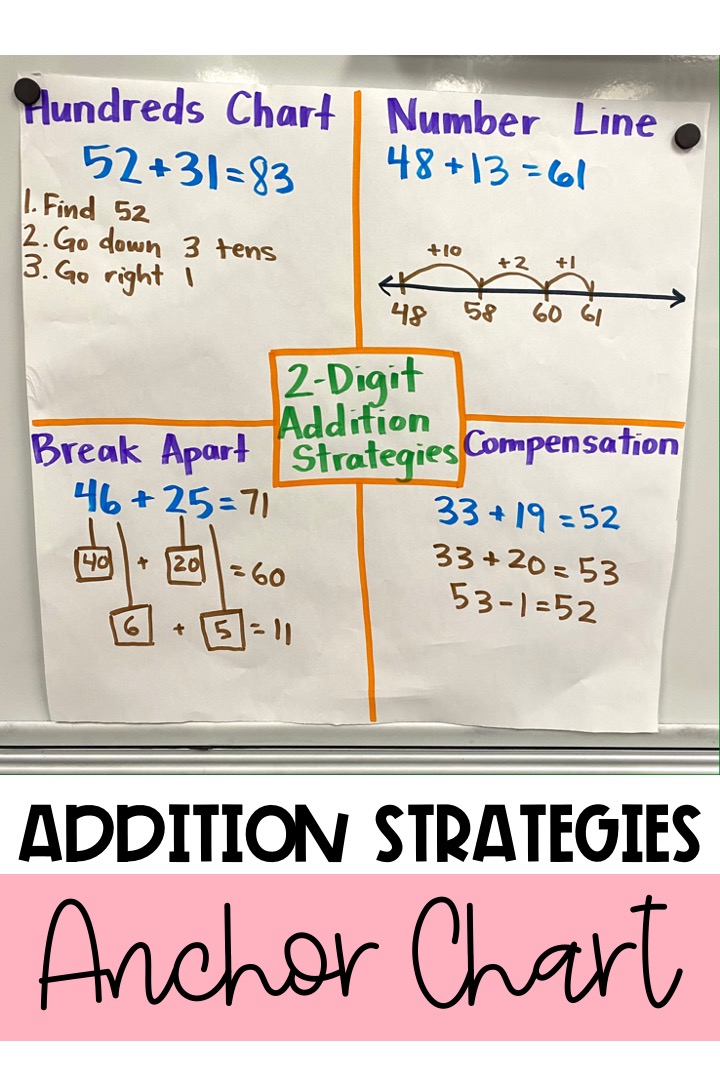
As a parent or educator, helping 2nd grade students develop strong addition skills is crucial for their future math success. At this age, children are beginning to understand the concept of numbers and how they can be combined. Effective addition strategies for 2nd grade students can make all the difference in their learning journey. One approach is to use visual aids and real-world objects to demonstrate addition concepts. For instance, using counting blocks or fingers can help students visualize the process of adding numbers together.
Using real-world objects for addition is an excellent way to make math more engaging and interactive. This strategy allows students to connect abstract math concepts to tangible objects, making it easier for them to understand and remember. For example, if you're teaching the concept of adding 2+3, you can use 2 blocks and 3 blocks to demonstrate the process. This hands-on approach helps students develop a deeper understanding of addition and builds their confidence in math.
Developing Mental Math Skills
Another essential addition strategy for 2nd grade students is developing their mental math skills. This involves encouraging students to use their minds to calculate simple addition problems without relying on visual aids. Mental math skills are critical for building a strong foundation in math and can be developed through regular practice and exercises. You can start by giving students simple addition problems to solve in their heads, such as 1+1 or 2+2, and gradually increase the difficulty level as they become more confident.
By incorporating these addition strategies into your teaching or homeschooling practice, you can help 2nd grade students develop a strong foundation in math and build their confidence in solving addition problems. Remember to make math fun and engaging by using real-world objects, visual aids, and interactive activities. With patience, practice, and the right approach, your students will be well on their way to becoming math whizzes and developing a lifelong love for learning.