
Mastering Geometry: Polygon Angle Measures Worksheet
Understanding Polygon Angle Measures
Geometry is a fundamental subject in mathematics that deals with the study of shapes, sizes, and positions of objects. One of the key concepts in geometry is the measurement of angles in polygons. A polygon is a 2D shape with at least three sides, and the angle measures of these shapes are crucial in understanding their properties. In this article, we will discuss the importance of polygon angle measures and provide a worksheet to help you practice and master this concept.
The angle measures of a polygon are determined by the number of sides it has. The sum of the interior angles of a polygon can be calculated using the formula (n-2) * 180, where n is the number of sides. For example, a triangle has three sides, so the sum of its interior angles is (3-2) * 180 = 180 degrees. This means that the sum of the interior angles of a triangle is always 180 degrees, regardless of its shape or size.
Practicing with a Worksheet
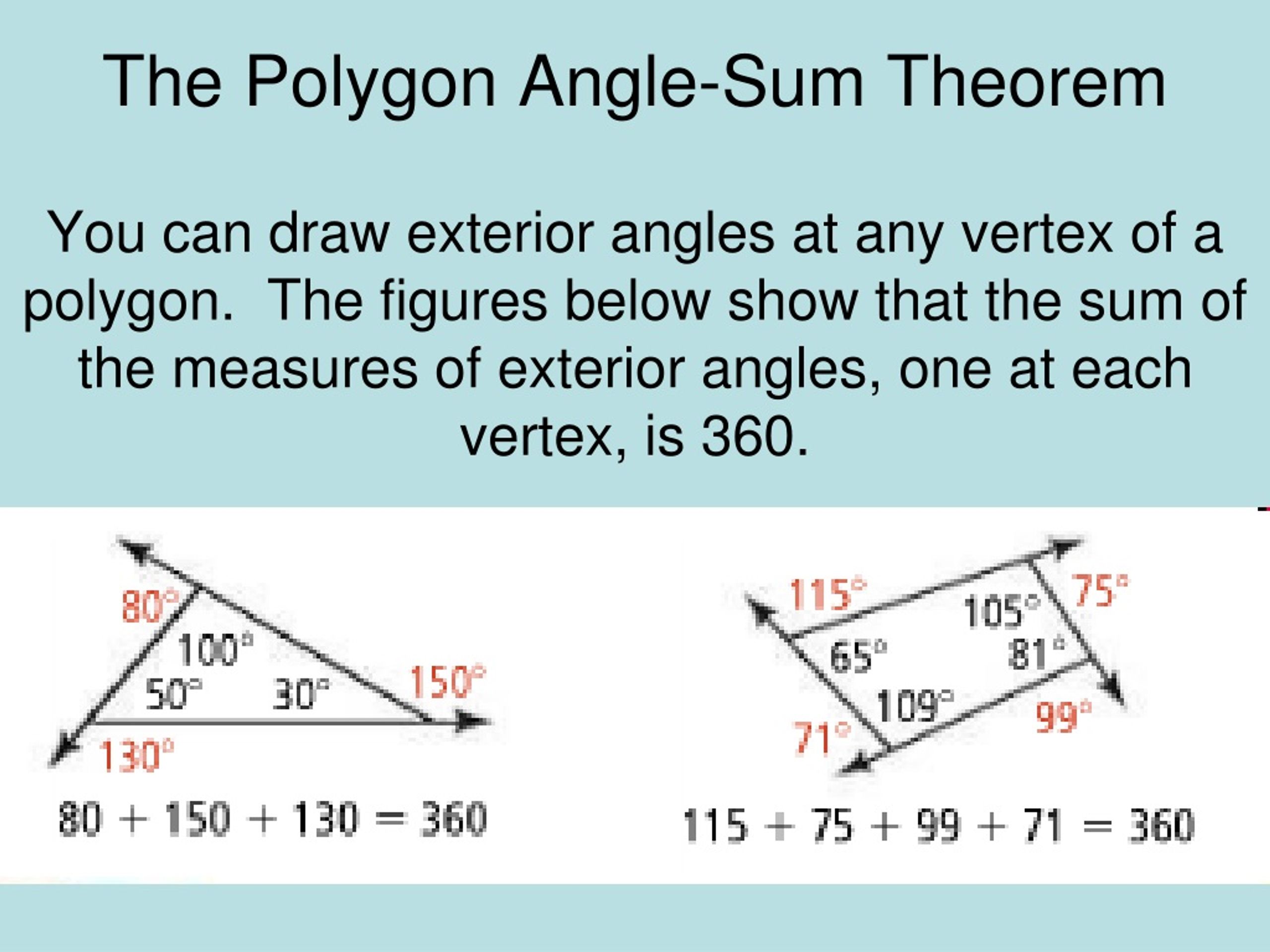
To understand polygon angle measures, it is essential to know the different types of angles that can be formed in a polygon. The interior angle is the angle formed by two adjacent sides of the polygon, while the exterior angle is the angle formed by one side of the polygon and the extension of an adjacent side. The sum of the exterior angles of any polygon is always 360 degrees. Understanding these concepts is vital in solving problems related to polygon angle measures.
Practicing with a worksheet is an excellent way to master polygon angle measures. A worksheet can provide you with a variety of problems to solve, ranging from simple to complex. You can start with basic problems, such as calculating the sum of interior angles of a polygon, and then move on to more challenging problems, such as finding the measure of a specific angle in a polygon. By practicing regularly, you can improve your understanding of polygon angle measures and develop your problem-solving skills.