
Mastering Numbers in Spanish: A Comprehensive 1-100 Chart Guide


Understanding the Basics of Spanish Numbers
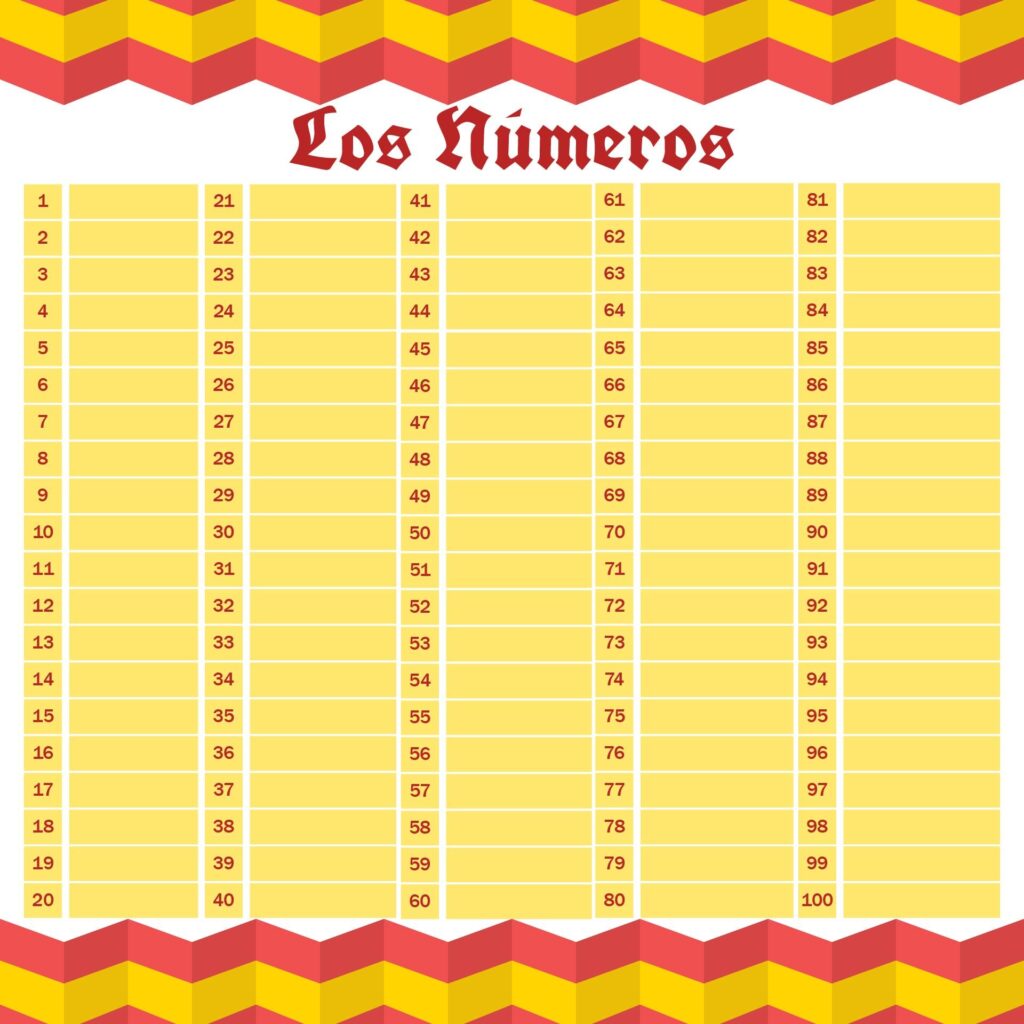
Learning Spanish can be a fun and rewarding experience, especially when it comes to mastering the numbers. Having a solid grasp of numbers in Spanish is essential for everyday conversations, from ordering food to telling time. One of the most effective ways to learn Spanish numbers is by using a 1-100 chart. This chart provides a visual representation of the numbers, making it easier to memorize and practice.
The Spanish language has a unique set of rules and pronunciation when it comes to numbers. For example, the number 16 is said as 'dieciséis', while the number 100 is said as 'cien'. Understanding these rules and pronunciations is crucial for accurate communication. With a 1-100 chart, you can easily identify patterns and relationships between numbers, making it simpler to learn and remember.
Using the 1-100 Chart to Improve Your Spanish Skills
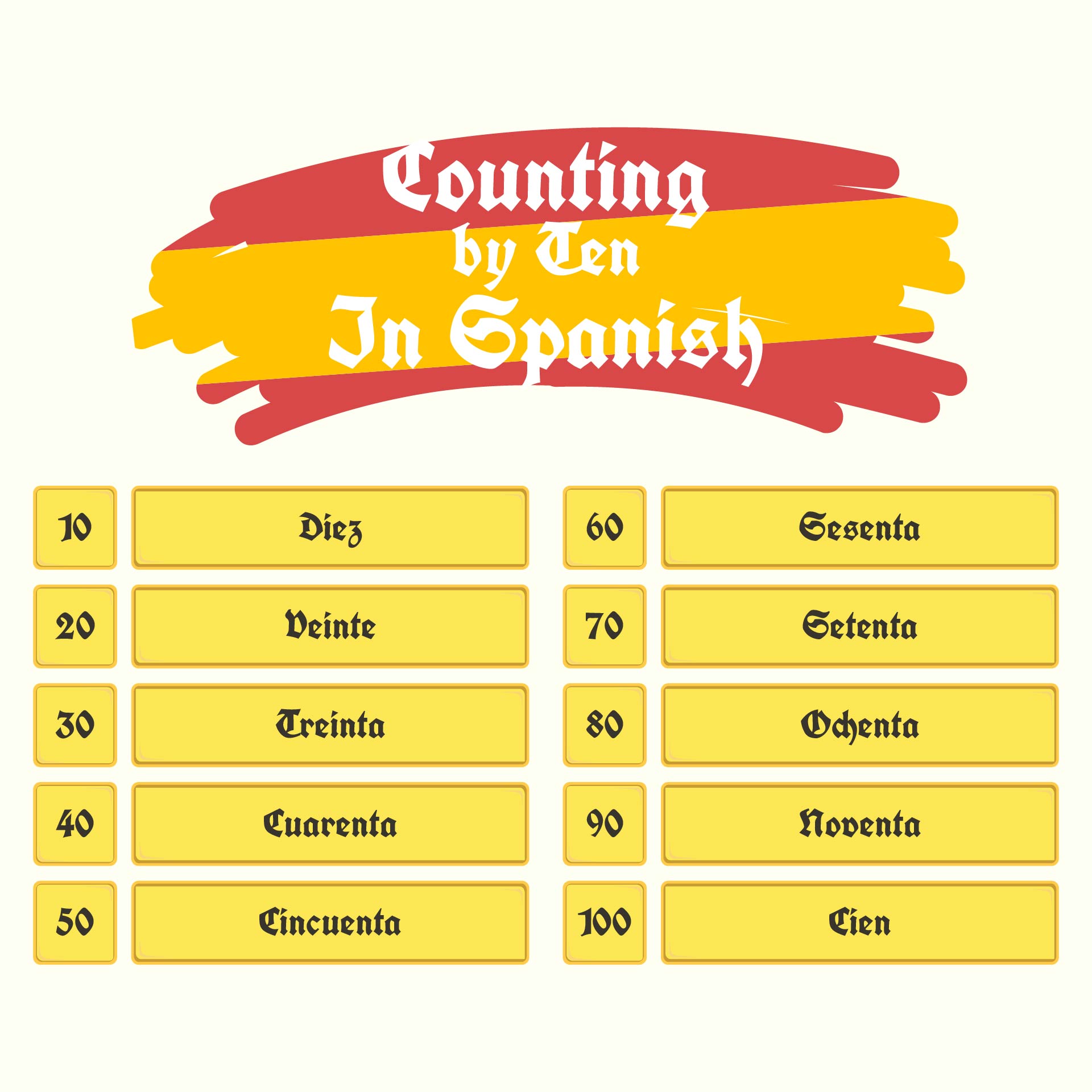
To get the most out of a 1-100 chart, it's essential to understand the basics of Spanish numbers. This includes learning the numbers 1-10, as well as the tens and hundreds. The numbers 1-10 are: uno (1), dos (2), tres (3), cuatro (4), cinco (5), seis (6), siete (7), ocho (8), nueve (9), and diez (10). The tens are: veinte (20), treinta (30), cuarenta (40), cincuenta (50), sesenta (60), setenta (70), ochenta (80), and noventa (90). The hundreds are: cien (100), doscientos (200), and so on.
By using a 1-100 chart, you can significantly improve your Spanish skills. Start by practicing the numbers regularly, using flashcards or quizzes to test your knowledge. You can also use the chart to learn other Spanish vocabulary, such as the days of the week and the months of the year. With consistent practice and review, you'll be able to confidently count in Spanish and communicate effectively with native speakers.