
Understanding Number Lines: A Guide to Placing Numbers
What is a Number Line?
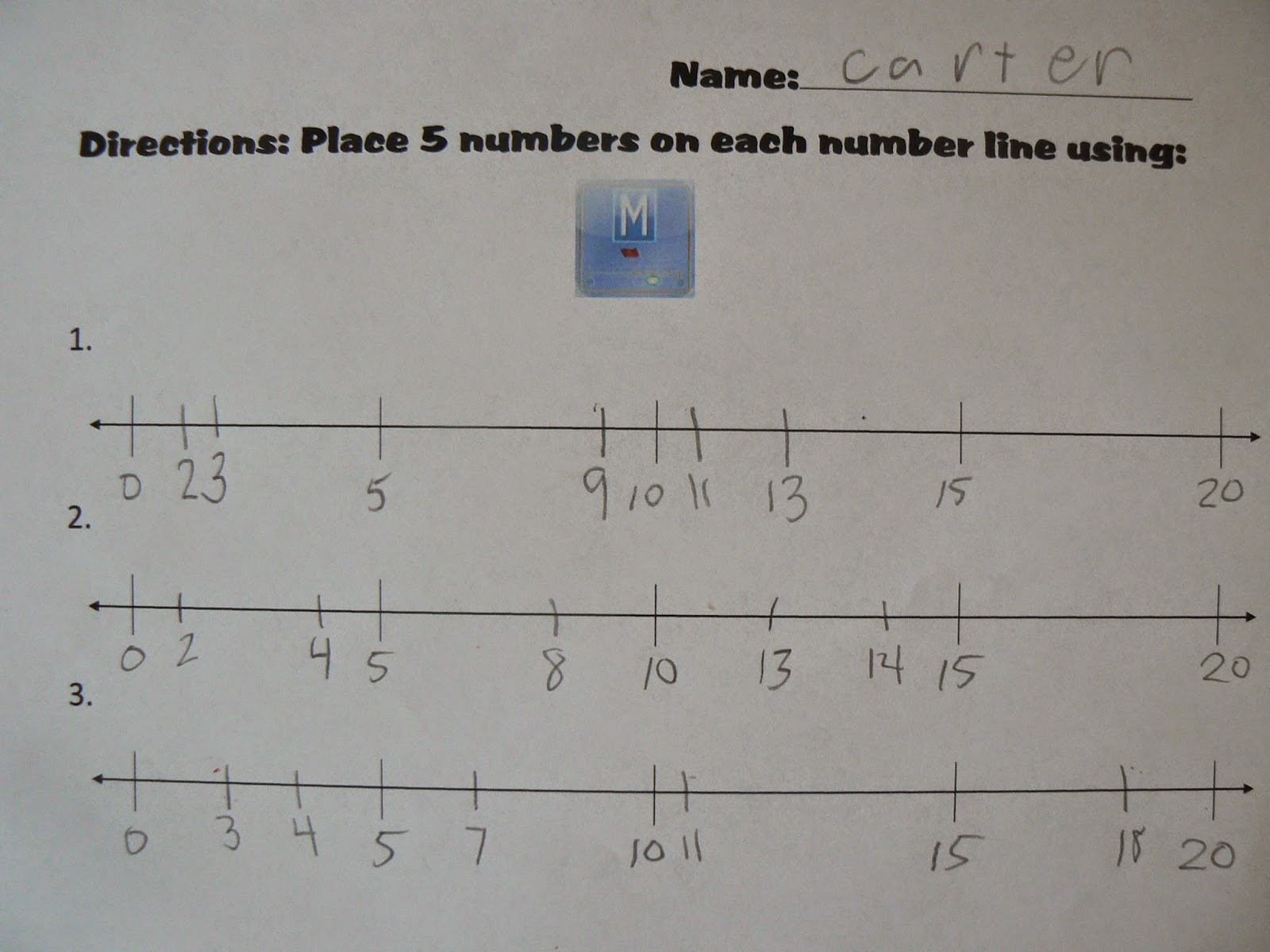
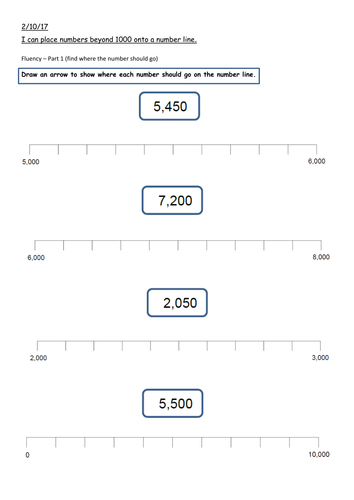
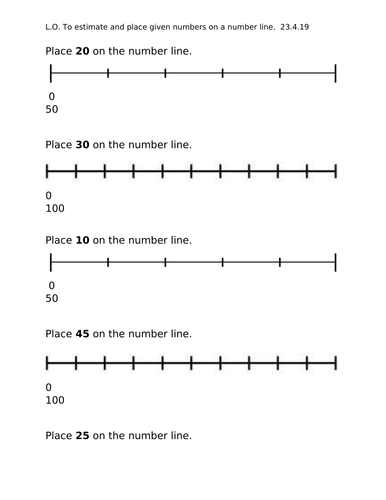
Placing numbers on a number line is a fundamental concept in mathematics that helps students understand the relationship between numbers and their positions on a line. A number line is a visual representation of numbers on a line, with each number marked at a specific point. This concept is essential in understanding basic arithmetic operations such as addition, subtraction, multiplication, and division.
The concept of a number line is simple yet powerful. It helps students visualize the relationship between numbers and understand how they are ordered. By placing numbers on a number line, students can see how numbers are related to each other and how they can be used to perform arithmetic operations.
How to Place Numbers on a Number Line
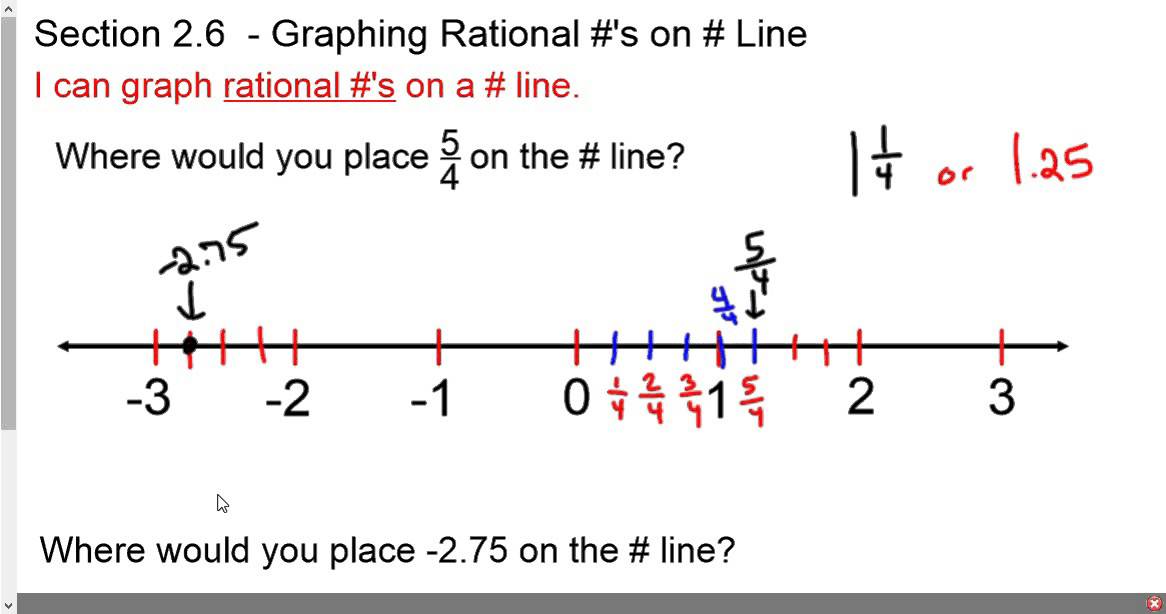
What is a Number Line? A number line is a line that has numbers marked at specific points. It can be used to represent integers, fractions, decimals, or any other type of number. The number line can be extended infinitely in both directions, with negative numbers on the left and positive numbers on the right. The concept of a number line is used in various mathematical operations, including addition, subtraction, multiplication, and division.
How to Place Numbers on a Number Line To place numbers on a number line, start by identifying the zero point, which is the reference point for all other numbers. Then, mark the positive numbers on the right side of the zero point and the negative numbers on the left side. For example, if you want to place the number 5 on a number line, you would mark it 5 units to the right of the zero point. Similarly, if you want to place the number -3 on a number line, you would mark it 3 units to the left of the zero point. By following these simple steps, you can easily place numbers on a number line and develop a deeper understanding of mathematical concepts.