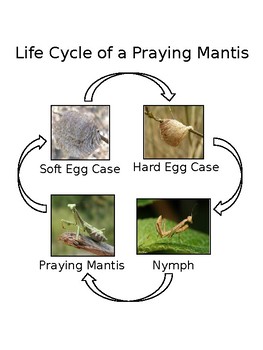
Exploring the Fascinating Life Cycle of Praying Mantis with Printable Resources

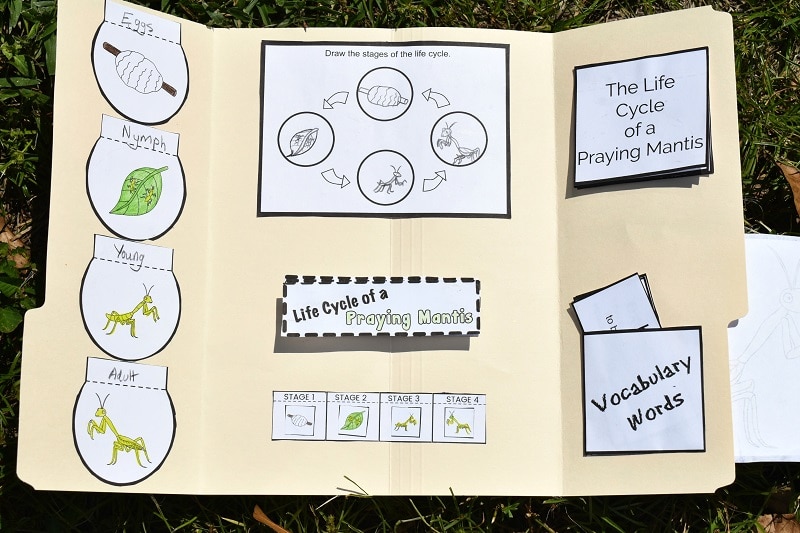
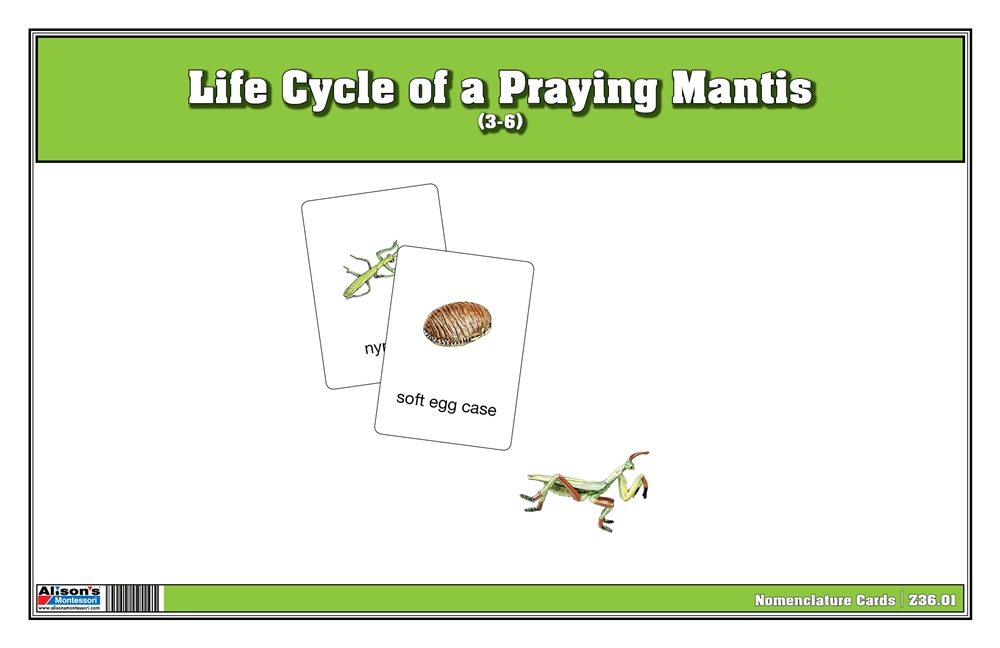

Introduction to Praying Mantis Life Cycle
The praying mantis, known for its stealthy hunting skills and unique prayer-like stance, undergoes a fascinating life cycle that is both intricate and educational. From egg to adult, the praying mantis goes through several stages of development, each with its own distinct characteristics. For those interested in entomology or simply looking to learn more about these captivating insects, understanding their life cycle is essential.
The life cycle of a praying mantis begins with eggs, which are typically laid in the fall and hatch in the spring. After hatching, the young mantises, called nymphs, emerge and begin their journey through several instars, or stages of growth, before reaching adulthood. During this process, they molt several times to accommodate their increasing size. Each stage of the life cycle offers a unique opportunity for observation and learning, making the praying mantis an excellent subject for study.
Utilizing Printable Resources for Education
As one delves deeper into the life cycle of the praying mantis, it becomes apparent that each stage, from egg to adult, presents a remarkable transformation. The nymphs, for instance, resemble small adults but lack wings and fully developed reproductive organs. As they grow and molt, they become more adept at hunting and eventually reach maturity, at which point they are capable of reproducing. This complex process highlights the resilience and adaptability of these insects, making them a compelling subject for both scientists and hobbyists.
For educators and enthusiasts looking to explore the praying mantis life cycle in more detail, printable resources offer a convenient and engaging way to learn. Printable diagrams, life cycle charts, and educational worksheets can provide a hands-on approach to understanding the different stages of a praying mantis's life. These resources can be particularly useful in classroom settings, allowing students to visualize and track the development of these insects. By leveraging these printable materials, individuals can deepen their understanding of the praying mantis life cycle and foster a greater appreciation for these intriguing creatures.